Get Sinkhole Filling
Sinkhole filling services help property owners address ground collapses and unstable areas by involving local contractors who stabilize and repair affected land.
If you're dealing with a sinkhole or suspect one on your property, you're in the right place to explore your options for professional filling services. Sinkholes can pose significant concerns for property stability and safety, making it important to consider effective solutions. Local contractors experienced in sinkhole filling can assess the situation and recommend practical approaches to restore and secure your land. Keep reading to learn how connecting with qualified service providers can help you address this issue efficiently.
Property owners in the area often look into sinkhole filling to prevent further land movement, protect structures, and maintain property value. Comparing local options allows you to find experienced contractors who understand the specific challenges of your region. By exploring available services, you can gather information to make informed decisions about how to best address sinkhole concerns on your property.
- Sinkhole Repair - needed when ground stability is compromised due to underground voids.
- Ground Stabilization - required to prevent further sinking in areas with shifting soil.
- Subsurface Filling - necessary when underground cavities threaten structural foundations.
- Soil Replacement - used to restore land after a sinkhole has been filled and stabilized.
- Drainage Improvement - essential to reduce water infiltration that can lead to sinkhole formation.
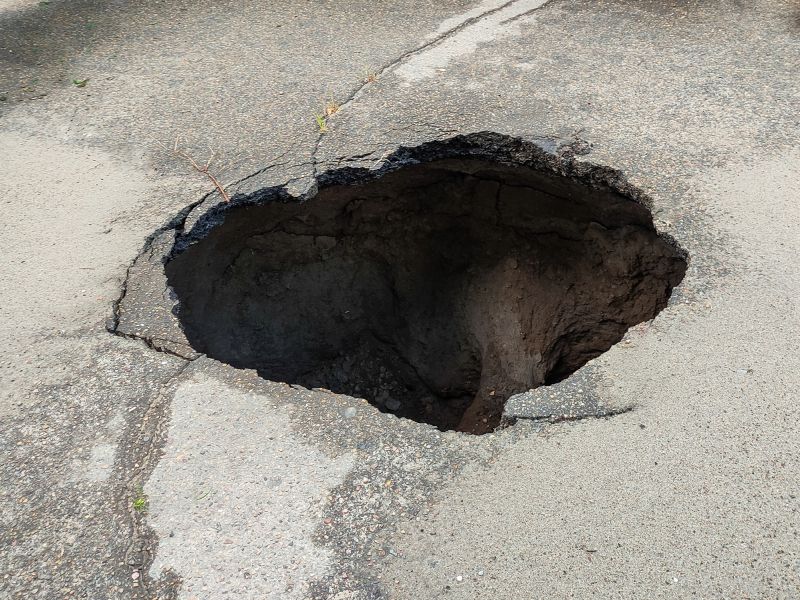
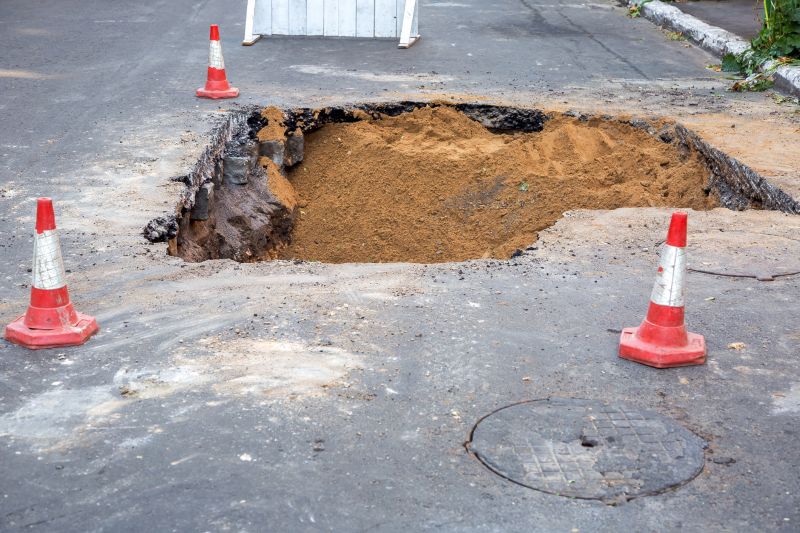
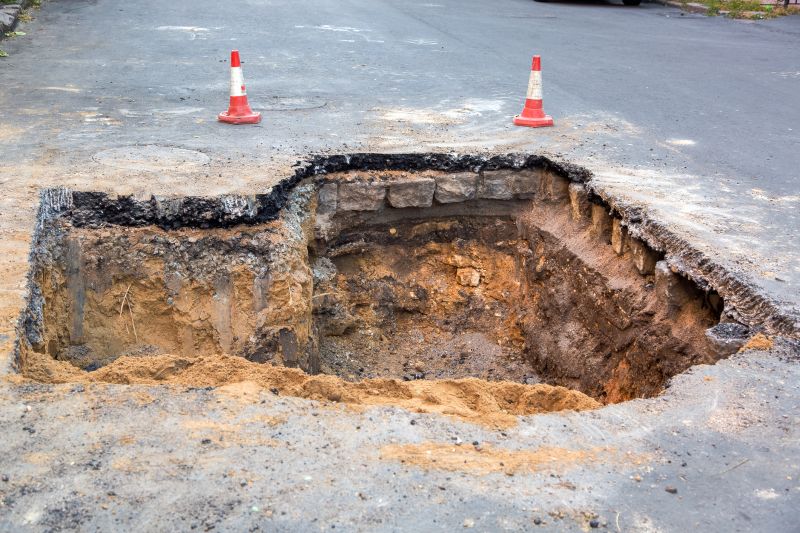
Sinkhole filling services involve the process of repairing and stabilizing ground areas that have experienced a collapse or subsidence, creating a cavity or hole in the soil. This typically includes filling the void with appropriate materials, such as gravel, soil, or specialized aggregates, to restore the surface level and prevent further ground movement. Skilled service providers assess the size and depth of the sinkhole, determine the best filling materials, and perform the work carefully to ensure the stability and safety of the property. Proper sinkhole filling is essential to maintain the integrity of the land and prevent additional damage or hazards.
These services help address a range of problems caused by ground subsidence, including uneven or sunken lawns, cracked driveways, or damaged foundations. Sinkholes can develop gradually or suddenly due to natural processes like soil erosion, underground water movement, or the collapse of underground cavities. Filling the sinkhole helps prevent further ground shifting, reduces the risk of structural damage, and restores the property’s surface to a safe and level condition. Homeowners experiencing noticeable ground depression or cracks in their property are often advised to consider professional sinkhole filling to mitigate ongoing issues.
Properties that commonly require sinkhole filling include residential homes, especially those situated on soft or unstable soil, as well as commercial buildings in areas prone to ground movement. Land with a history of soil erosion, underground water flow, or previous subsidence may also be more vulnerable to sinkholes. Additionally, properties near natural underground cavities, such as old mines or caves, might need this service as a preventive measure. Local contractors experienced in sinkhole repair can evaluate the specific conditions of a property and recommend appropriate filling solutions to ensure long-term stability.
Choosing the right service provider for sinkhole filling involves finding local contractors with experience in ground stabilization and soil repair. These professionals assess the extent of the sinkhole, select suitable materials, and perform the work to restore safety and stability. Homeowners should look for service providers who understand the unique soil conditions of their area and can deliver effective solutions tailored to their property’s needs. Contacting local pros ensures that the work is handled by experienced specialists who can address the specific challenges of sinkhole repair, helping to protect the property and maintain its value over time.
The overview below groups typical Sinkhole Filling projects into broad ranges so you can see how smaller, mid-sized, and larger jobs often compare in your area.
In many markets, a large share of routine jobs stays in the lower and middle ranges, while only a smaller percentage of projects moves into the highest bands when the work is more complex or site conditions are harder than average.
Smaller Repairs - typical costs for minor sinkhole filling projects usually range from $250-$600. Many routine jobs fall within this middle range, depending on the size and accessibility of the site. Fewer projects reach into the higher end of this spectrum.
Moderate to Large Fillings - more extensive sinkhole repairs generally cost between $600-$2,500. These projects often involve additional stabilization measures and can vary based on soil conditions and site complexity. Many local contractors handle jobs in this range.
Full Sinkhole Replacement - complete replacement or significant reconstruction can range from $3,000-$10,000 or more. Larger, more complex projects tend to push into the higher tiers, especially when extensive excavation and reinforcement are required.
Complex or Emergency Repairs - urgent or highly complex sinkhole filling jobs can exceed $10,000. These projects are less common and usually involve significant site stabilization, heavy equipment, and extensive planning by local service providers.
Actual totals will depend on details like access to the work area, the scope of the project, and the materials selected, so use these as general starting points rather than exact figures.
Foundation Repair - foundation repair projects often involve soil stabilization and excavation techniques similar to those used in sinkhole filling to ensure structural stability.
Soil Stabilization - soil stabilization services require expertise in ground assessment and the use of specialized tools, paralleling the skills needed for sinkhole remediation.
Underground Utility Installation - installing underground utilities involves careful planning and excavation in challenging soil conditions, comparable to sinkhole filling procedures.
Land Grading and Drainage - land grading projects require soil movement and compaction skills that are relevant to filling and stabilizing sinkhole areas.
Excavation Services - excavation work for various projects shares techniques like soil removal and site assessment with sinkhole filling tasks.
Retaining Wall Construction - building retaining walls involves soil analysis and stabilization methods similar to those used in sinkhole repair efforts.
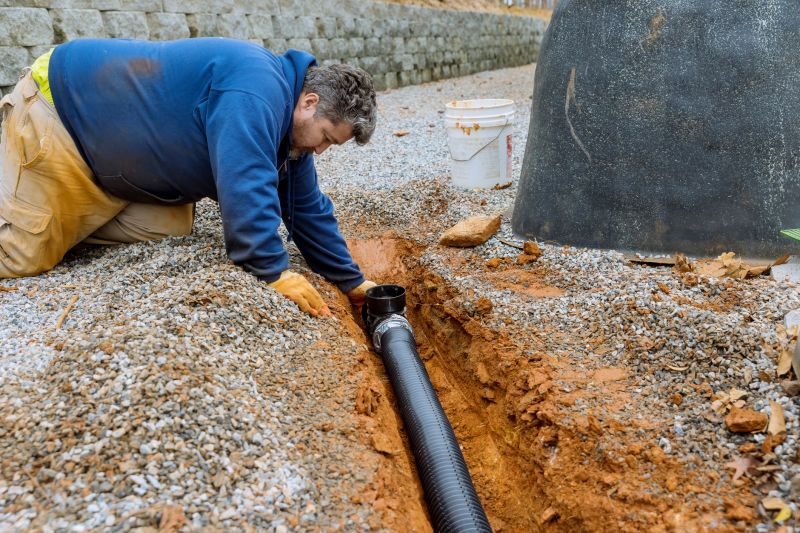
When evaluating contractors for sinkhole filling services, it’s important to consider their experience with similar projects. Homeowners should inquire about how many sinkhole repair or filling jobs they have completed and whether they have worked on sites with comparable soil conditions or size. An experienced service provider will better understand the complexities involved and be more equipped to handle potential challenges that may arise during the project. This background can help ensure that the work is performed efficiently and effectively, reducing the likelihood of issues down the line.
Clear and detailed written expectations are essential when comparing local contractors. Homeowners should seek proposals that outline the scope of work, materials to be used, and the specific steps involved in the sinkhole filling process. Having a well-defined plan helps prevent misunderstandings and provides a basis for assessing whether the contractor’s approach aligns with the homeowner’s needs. It also demonstrates the contractor’s professionalism and commitment to transparency, making it easier to compare options objectively.
Reputable references and good communication are key indicators of a trustworthy service provider. Homeowners are encouraged to ask for references from past clients who had similar work done and to follow up with these contacts to learn about their experiences. Additionally, responsive and clear communication from the contractor-whether through phone, email, or in-person discussions-can make the project smoother and more predictable. While this site helps introduce homeowners to local options, it’s important to independently verify that chosen service providers are reputable, communicate well, and have a history of successfully completing similar projects.
Property owners use Sinkhole Filling services for practical projects around their homes and businesses. This guide focuses on everyday jobs and straightforward project options.
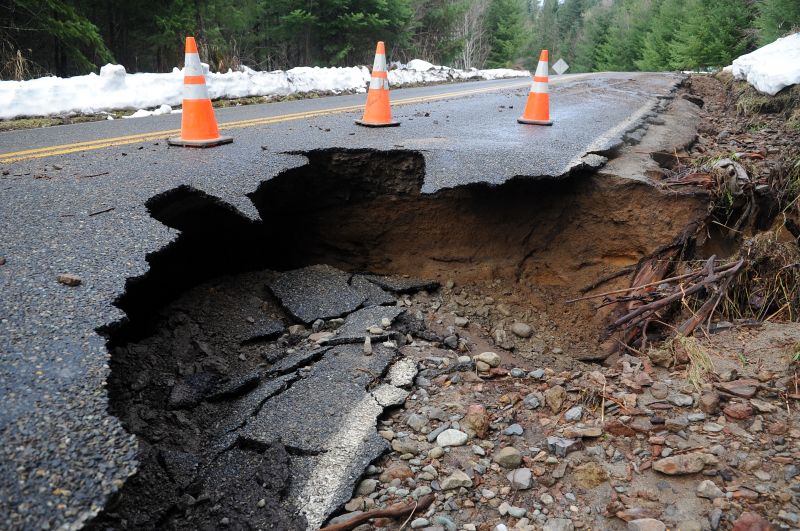
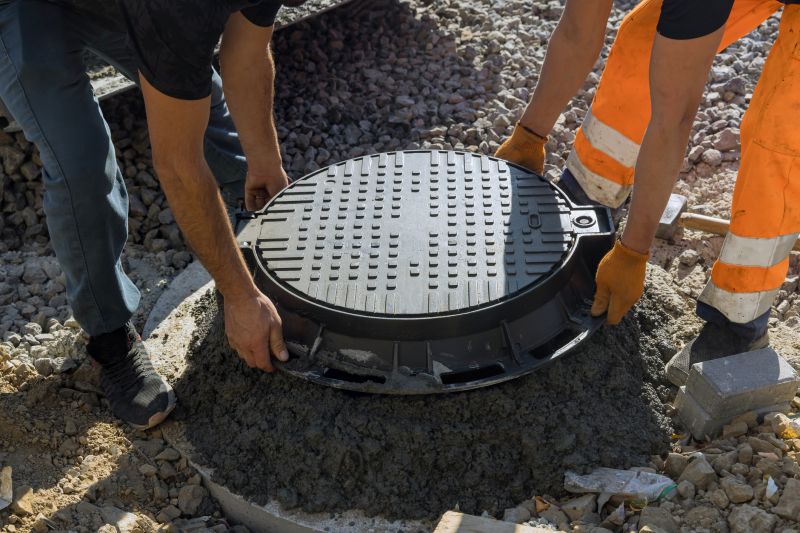
Sinkhole filling services are often needed when property owners notice ground subsidence or uneven areas on their land. These issues can occur unexpectedly, especially after heavy rains or soil erosion, making it important to address potential hazards promptly. Local contractors experienced in sinkhole repair can assess the situation, determine the cause, and provide solutions to stabilize the ground and prevent further damage.
Property owners may seek sinkhole filling to protect driveways, lawns, or structures from the risks associated with ground collapse. Whether due to natural soil movement or underground voids, experienced service providers in the area can offer professional filling and reinforcement options. Connecting with local experts ensures that the work is handled efficiently to help maintain the safety and integrity of the property.
What causes a sinkhole to form? Sinkholes can develop due to natural processes like underground erosion or human activities such as construction and excavation that disturb underground stability.
How can I tell if I have a sinkhole on my property? Signs include sudden ground depressions, cracked or shifted pavement, or doors and windows that no longer close properly. Consulting local contractors can help assess potential sinkholes.
What are the benefits of filling a sinkhole? Filling a sinkhole can help stabilize the ground, prevent further collapse, and protect structures and property from damage.
What types of materials are used to fill sinkholes? Common materials include soil, gravel, or specialized fill materials designed to provide stability and support for the surrounding area.
How do local contractors handle sinkhole filling projects? They assess the site, prepare the area, and use appropriate filling techniques and materials to restore ground stability and safety.
Preventing Property Damage - Filling a sinkhole promptly can help protect a home's foundation and landscaping from further deterioration.
Maintaining Land Stability - Addressing sinkholes can improve soil stability around driveways and walkways, making outdoor spaces safer.
Preserving Property Value - Proper sinkhole filling can help maintain or increase a property's market value by preventing structural issues.
Ensuring Safety - Filling and stabilizing sinkholes reduces the risk of accidents or injuries for residents and visitors.
If you are thinking about Sinkhole Filling for a property, this guide is meant to help you understand the work, the typical project types, and how different options might fit your plans.
When you are ready, you can use the quote form on this page to share a few details about your project. From there, local pros can review the basics and respond with options that match what you have in mind.